How Did Ancient Civilisations Measure Time? From Egyptian Shadow Clocks to Islamic Astrolabes (قدیم تہذیبیں گھڑی کے بغیر وقت کا درست حساب کیسے لگاتی تھیں؟ دھوپ گھڑی سے اسلامی اسطرلاب تک کا سفر)

Exploring Babylonian base-60 mathematics, Chinese incense clocks, Al-Jazari’s Elephant Clock, and the origins of our 60-minute hour.
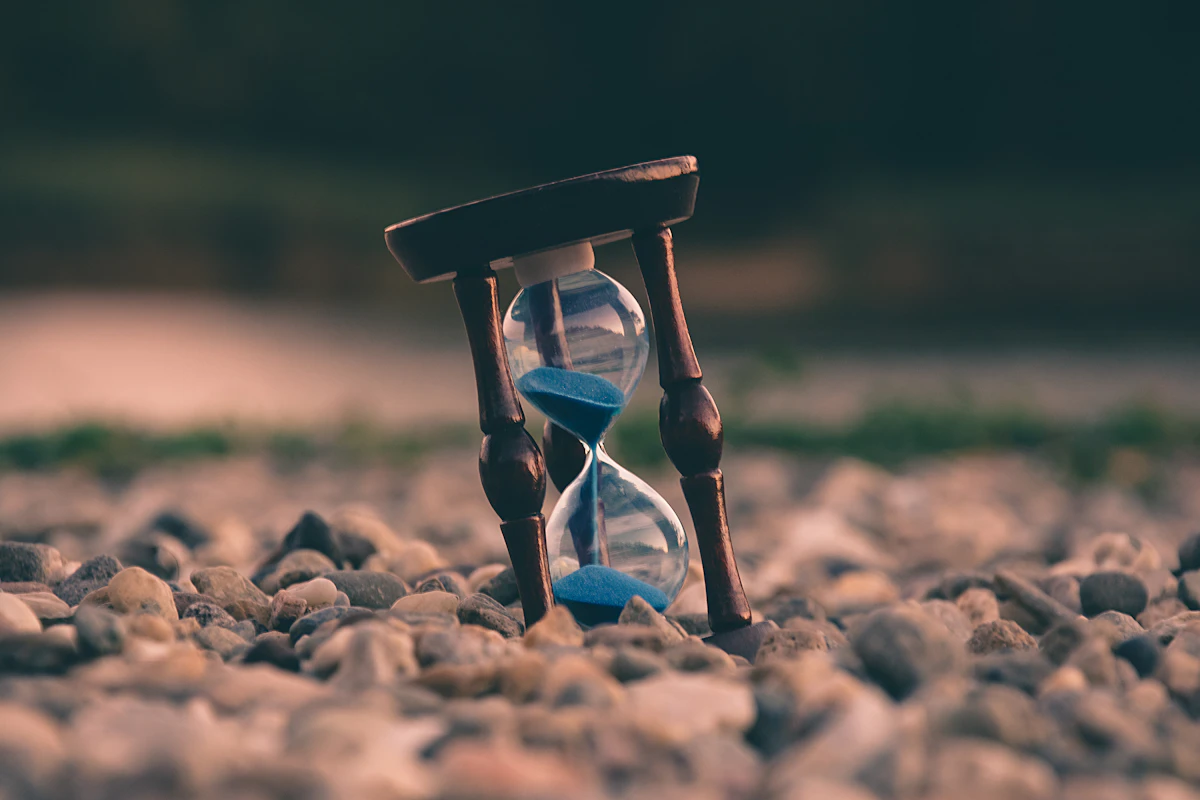
How Did Ancient Civilisations Measure Time? From Egyptian Shadow Clocks to Islamic Astrolabes

Author: Ishtiaq Ahmed (اشتیاق احمد) · Platform: Sukhanzaar (سخن زار) · Category: Contemporary Voices (عصرِ حاضر کی آوازیں)

Have you ever wondered why an hour has 60 minutes instead of 100, or how ancient empires measured time at night when there was no sun? Take a journey through 5,000 years of human ingenuity.

How Did Ancient Civilisations Measure Time? From Egyptian Shadow Clocks to Islamic Astrolabes — Full English Article

Introduction: Why Does an Hour Have 60 Minutes Instead of 100?
We glance at our smartphones dozens of times a day without wondering why our modern world divides the day into 24 hours, each hour into 60 minutes, and each minute into 60 seconds. Long before quartz crystals or atomic clocks existed, ancient civilizations developed breathtaking astronomical and mechanical instruments to measure the flow of time.

1. Ancient Egypt & Mesopotamia: The Birth of the 24-Hour Day and 60-Minute Hour
- **Egyptian Obelisks & Shadow Clocks (c. 3500–1500 BCE):** Ancient Egyptians built towering stone obelisks whose moving shadows divided daylight into 10 parts (plus 2 twilight hours), and used 12 star constellations (*Decans*) to track the night—giving humanity the **24-hour day**.
- **Babylonian Sexagesimal (Base-60) Mathematics:** Around 2000 BCE, Sumerian and Babylonian astronomers used a base-60 counting system (counting the 12 finger bones on four fingers using the thumb, multiplied by the 5 fingers of the other hand = 60). Because 60 is evenly divisible by 1, 2, 3, 4, 5, 6, 10, 12, 15, 20, and 30, it remains the mathematical foundation of our 60-minute hour and 360-degree circle today!

2. Measuring Time at Night: Water Clocks (*Clepsydra*) & Chinese Incense Clocks
Shadows disappear at sunset and on cloudy days. To solve this, Egyptians, Greeks, and Persians engineered **Water Clocks (*Clepsydra*)** where water dripped at a calibrated rate into a marked vessel. Meanwhile, in Imperial China, scholars invented **Incense Clocks**—labyrinths of powdered incense blended with different fragrances so that as the ember burned each hour, the scent in the room literally changed!

3. The Islamic Golden Age: Astrolabes and Al-Jazari's Masterpiece (1206 CE)
Because computing the five daily prayer times, Ramadan fasting, and the direction of Makkah required precise astronomy across global latitudes, Muslim scientists revolutionized timekeeping:
- **The Astrolabe (*Asturlab*):** Refined by scholars like Al-Fazari and Maryam al-Asturlabi, the astrolabe acted as a pocket analog computer—measuring the altitude of the sun or stars to tell the exact hour day or night.
- **Al-Jazari’s Elephant Water Clock (1206 CE):** The brilliant engineer Ismail al-Jazari built monumental automated clocks powered by buoyancy and hydro-mechanics that struck cymbals and moved robotic figures every half hour—laying the foundation for modern mechanical engineering.

Conclusion
Every time you look at your watch, you are looking at a 5,000-year collaboration between Babylonian mathematicians, Egyptian stargazers, Chinese artisans, and Muslim engineers.

اردو مضمون: قدیم تہذیبیں گھڑی کے بغیر وقت کا درست حساب کیسے لگاتی تھیں؟ دھوپ گھڑی سے اسلامی اسطرلاب تک کا سفر

تعارف: ایک گھنٹے میں ۱۰۰ کے بجائے ۶۰ منٹ ہی کیوں ہوتے ہیں؟
ہم روزانہ درجنوں بار موبائل کی اسکرین پر وقت دیکھتے ہیں لیکن شاذ و نادر ہی سوچتے ہیں کہ آخر دن کو ۲۴ گھنٹوں اور گھنٹے کو ۶۰ منٹوں میں کس نے تقسیم کیا؟ جب بجلی، سیل اور کوارٹز گھڑیاں موجود نہیں تھیں تو قدیم تہذیبیں دن اور رات کے وقت کا درست حساب کیسے لگاتی تھیں؟ یہ انسانی ذہانت کی پانچ ہزار سالہ حیرت انگیز داستان ہے۔

۱۔ قدیم مصر اور بابل (Babylon): ۲۴ گھنٹے اور ۶۰ منٹ کی ایجاد
- **مصری دھوپ گھڑیاں (Obelisks):** تقریباً ۳۵۰۰ قبل مسیح میں قدیم مصریوں نے اونچے ستونوں کے سائے سے دن کو ۱۲ حصوں میں اور رات کو ۱۲ ستاروں کے طلوع ہونے کی مدد سے ۱۲ حصوں میں تقسیم کیا، جہاں سے **۲۴ گھنٹے کے دن** کی بنیاد پڑی۔
- **اہلِ بابل کا ۶۰ کا نظام (Base-60 System):** قدیم بابل کے ریاضی دان ۱۰ کے بجائے ۶۰ کے عدد کو بنیاد بناتے تھے کیونکہ ۶۰ کا عدد ۲، ۳، ۴، ۵، ۶، ۱۰، ۱۲، ۱۵، ۲۰ اور ۳۰ سے پورا پورا تقسیم ہو جاتا ہے۔ ہمارا ۶۰ منٹ کا گھنٹہ اور ۶۰ سیکنڈ کا منٹ انہی کی ریاضیاتی میراث ہے۔

۲۔ رات اور بادلوں میں وقت کیسے ناپا جاتا تھا؟ (آبی اور خوشبو والی گھڑیاں)
رات کے وقت دھوپ گھڑی کام نہیں کرتی تھی، اس لیے یونانیوں، ایرانیوں اور مصریوں نے **آبی گھڑیاں (Water Clocks)** ایجاد کیں جن میں قطرے قطرے پانی کے گرنے سے وقت ناپا جاتا تھا۔ دوسری طرف قدیم چین میں **’خوشبو کی گھڑیاں‘ (Incense Clocks)** بنائی گئیں جن میں ہر گھنٹے بعد جلنے والی اگربتی کا عطر بدل جاتا تھا اور لوگ کمرے کی خوشبو سے جان لیتے تھے کہ کون سا پہر شروع ہو گیا ہے!

۳۔ اسلامی عہدِ زریں: اسطرلاب اور الجزری کی شاہکار گھڑیاں
نمازوں کے اوقات، سحر و افطار اور قبلے کی سمت کے درست تعین کے لیے مسلمان سائنسدانوں نے وقت پیمائی کے فن کو معراج پر پہنچا دیا:
- **اسطرلاب (Astrolabe):** الفزاری اور مریم الاسطرلابی جیسے ماہرین نے اسطرلاب کو جیب میں آنے والا ایسا فلکیاتی کمپیوٹر بنا دیا جس سے سورج یا ستاروں کی بلندی دیکھ کر منٹوں کی درستگی کے ساتھ وقت معلوم کیا جا سکتا تھا۔
- **اسماعیل الجزری کی ’ہاتھی گھڑی‘ (۱۲۰۶ء):** عظیم مسلمان انجینئر الجزری نے پانی کے دباؤ اور خودکار پرزوں (Robotics) سے چلنے والی ایسی گھڑیاں ایجاد کیں جو ہر آدھے گھنٹے بعد خودکار آواز اور حرکت سے وقت بتاتی تھیں۔

حرفِ آخر
آج جب آپ اپنی کلائی یا فون پر وقت دیکھتے ہیں تو درحقیقت آپ بابل، مصر، چین اور بغداد کے قدیم سائنسدانوں کی پانچ ہزار سالہ مشترکہ میراث کو دیکھ رہے ہوتے ہیں۔

Roman Urdu Article: Exploring Babylonian base-60 mathematics, Chinese incense clocks, Al-Jazari’s Elephant Clock, and the origins of our 60-minute hour.

Ta'aruf: Ghari Ki Ijad Se Pehle Insaan Waqt Kaise Napta Tha?
Kya aap ne kabhi socha ke 1 din mein 24 ghantay aur 1 ghantay mein 60 minute hi kyun hote hain?

1. Misr Aur Babul (Babylon) Ka Nizam:
Qadeem Misriyon ne dhoop ke saye (Sundials) aur raat ke 12 sitaron se 24 ghantay ka din banaya, jabke Babul ke riyazi-danon ne "Base-60" mathematics se 60 minute aur 60 second ki bunyad rakhi.

2. Islami Ahed-e-Zareen (Astrolabe Aur Al-Jazari):
Musalman سائنسدانوں ne Astrolabe (اسطرلاب) aur 1206 CE mein Ismail Al-Jazari ki mashhoor "Elephant Water Clock" bana kar mechanical engineering aur waqt paimai mein inqilab barpa kiya.

Related Search Topics & Keywords on Sukhanzaar

How Did Ancient Civilisations Measure Time? From Egyptian Shadow Clocks to Islamic Astrolabes · قدیم تہذیبیں گھڑی کے بغیر وقت کا درست حساب کیسے لگاتی تھیں؟ دھوپ گھڑی سے اسلامی اسطرلاب تک کا سفر · Exploring Babylonian base-60 mathematics, Chinese incense clocks, Al-Jazari’s Elephant Clock, and the origins of our 60-minute hour. · How Did Ancient Civilisations Measure Time · History of Timekeeping Sundials to Al Jazari · Why Are There 60 Minutes in an Hour Babylonians · قدیم تہذیبوں میں وقت ناپنے کے طریقے · Islamic Golden Age Science Astrolabe · Ishtiaq Ahmed · Sukhanzaar 2026 · How Did Ancient Civilisations Measure Time? From Egyptian Shadow Clocks to Islamic Astrolabes blog · How Did Ancient Civilisations Measure Time? From Egyptian Shadow Clocks to Islamic Astrolabes Urdu blog · How Did Ancient Civilisations Measure Time? From Egyptian Shadow Clocks to Islamic Astrolabes lyrics in Urdu and Roman Urdu · How Did Ancient Civilisations Measure Time? From Egyptian Shadow Clocks to Islamic Astrolabes by Ishtiaq Ahmed · Ishtiaq Ahmed blog How Did Ancient Civilisations Measure Time? From Egyptian Shadow Clocks to Islamic Astrolabes · Ishtiaq Ahmed poem How Did Ancient Civilisations Measure Time? From Egyptian Shadow Clocks to Islamic Astrolabes · How Did Ancient Civilisations Measure Time? From Egyptian Shadow Clocks to Islamic Astrolabes blog by Ishtiaq Ahmed · How Did Ancient Civilisations Measure Time? From Egyptian Shadow Clocks to Islamic Astrolabes Ishtiaq Ahmed · How Did Ancient Civilisations Measure Time? From Egyptian Shadow Clocks to Islamic Astrolabes by Ishtiaq Ahmad · Ishtiaq Ahmad blog How Did Ancient Civilisations Measure Time? From Egyptian Shadow Clocks to Islamic Astrolabes · Ishtiaq Ahmad poem How Did Ancient Civilisations Measure Time? From Egyptian Shadow Clocks to Islamic Astrolabes · How Did Ancient Civilisations Measure Time? From Egyptian Shadow Clocks to Islamic Astrolabes blog by Ishtiaq Ahmad · How Did Ancient Civilisations Measure Time? From Egyptian Shadow Clocks to Islamic Astrolabes Ishtiaq Ahmad · How Did Ancient Civilisations Measure Time? From Egyptian Shadow Clocks to Islamic Astrolabes by theishtiaq · theishtiaq blog How Did Ancient Civilisations Measure Time? From Egyptian Shadow Clocks to Islamic Astrolabes · theishtiaq poem How Did Ancient Civilisations Measure Time? From Egyptian Shadow Clocks to Islamic Astrolabes · How Did Ancient Civilisations Measure Time? From Egyptian Shadow Clocks to Islamic Astrolabes blog by theishtiaq · How Did Ancient Civilisations Measure Time? From Egyptian Shadow Clocks to Islamic Astrolabes theishtiaq · How Did Ancient Civilisations Measure Time? From Egyptian Shadow Clocks to Islamic Astrolabes by The Ishtiaq · The Ishtiaq blog How Did Ancient Civilisations Measure Time? From Egyptian Shadow Clocks to Islamic Astrolabes · The Ishtiaq poem How Did Ancient Civilisations Measure Time? From Egyptian Shadow Clocks to Islamic Astrolabes · How Did Ancient Civilisations Measure Time? From Egyptian Shadow Clocks to Islamic Astrolabes blog by The Ishtiaq · How Did Ancient Civilisations Measure Time? From Egyptian Shadow Clocks to Islamic Astrolabes The Ishtiaq · قدیم تہذیبیں گھڑی کے بغیر وقت کا درست حساب کیسے لگاتی تھیں؟ دھوپ گھڑی سے اسلامی اسطرلاب تک کا سفر از اشتیاق احمد · قدیم تہذیبیں گھڑی کے بغیر وقت کا درست حساب کیسے لگاتی تھیں؟ دھوپ گھڑی سے اسلامی اسطرلاب تک کا سفر اشتیاق احمد · نظم قدیم تہذیبیں گھڑی کے بغیر وقت کا درست حساب کیسے لگاتی تھیں؟ دھوپ گھڑی سے اسلامی اسطرلاب تک کا سفر از اشتیاق احمد · غزل قدیم تہذیبیں گھڑی کے بغیر وقت کا درست حساب کیسے لگاتی تھیں؟ دھوپ گھڑی سے اسلامی اسطرلاب تک کا سفر از اشتیاق احمد · اشتیاق احمد · The Ishtiaq · @theishtiaq · Contemporary Voices · عصرِ حاضر کی آوازیں · Sukhanzaar · Sukhanzaar Blog · Urdu Literary Articles

How Did Ancient Civilisations Measure Time? From Egyptian Shadow Clocks to Islamic Astrolabes (قدیم تہذیبیں گھڑی کے بغیر وقت کا درست حساب کیسے لگاتی تھیں؟ دھوپ گھڑی سے اسلامی اسطرلاب تک کا سفر)

Exploring Babylonian base-60 mathematics, Chinese incense clocks, Al-Jazari’s Elephant Clock, and the origins of our 60-minute hour.

How Did Ancient Civilisations Measure Time? From Egyptian Shadow Clocks to Islamic Astrolabes

Author: Ishtiaq Ahmed (اشتیاق احمد) · Platform: Sukhanzaar (سخن زار) · Category: Contemporary Voices (عصرِ حاضر کی آوازیں)

Have you ever wondered why an hour has 60 minutes instead of 100, or how ancient empires measured time at night when there was no sun? Take a journey through 5,000 years of human ingenuity.

How Did Ancient Civilisations Measure Time? From Egyptian Shadow Clocks to Islamic Astrolabes — Full English Article

Introduction: Why Does an Hour Have 60 Minutes Instead of 100?
We glance at our smartphones dozens of times a day without wondering why our modern world divides the day into 24 hours, each hour into 60 minutes, and each minute into 60 seconds. Long before quartz crystals or atomic clocks existed, ancient civilizations developed breathtaking astronomical and mechanical instruments to measure the flow of time.

1. Ancient Egypt & Mesopotamia: The Birth of the 24-Hour Day and 60-Minute Hour
- **Egyptian Obelisks & Shadow Clocks (c. 3500–1500 BCE):** Ancient Egyptians built towering stone obelisks whose moving shadows divided daylight into 10 parts (plus 2 twilight hours), and used 12 star constellations (*Decans*) to track the night—giving humanity the **24-hour day**.
- **Babylonian Sexagesimal (Base-60) Mathematics:** Around 2000 BCE, Sumerian and Babylonian astronomers used a base-60 counting system (counting the 12 finger bones on four fingers using the thumb, multiplied by the 5 fingers of the other hand = 60). Because 60 is evenly divisible by 1, 2, 3, 4, 5, 6, 10, 12, 15, 20, and 30, it remains the mathematical foundation of our 60-minute hour and 360-degree circle today!

2. Measuring Time at Night: Water Clocks (*Clepsydra*) & Chinese Incense Clocks
Shadows disappear at sunset and on cloudy days. To solve this, Egyptians, Greeks, and Persians engineered **Water Clocks (*Clepsydra*)** where water dripped at a calibrated rate into a marked vessel. Meanwhile, in Imperial China, scholars invented **Incense Clocks**—labyrinths of powdered incense blended with different fragrances so that as the ember burned each hour, the scent in the room literally changed!

3. The Islamic Golden Age: Astrolabes and Al-Jazari's Masterpiece (1206 CE)
Because computing the five daily prayer times, Ramadan fasting, and the direction of Makkah required precise astronomy across global latitudes, Muslim scientists revolutionized timekeeping:
- **The Astrolabe (*Asturlab*):** Refined by scholars like Al-Fazari and Maryam al-Asturlabi, the astrolabe acted as a pocket analog computer—measuring the altitude of the sun or stars to tell the exact hour day or night.
- **Al-Jazari’s Elephant Water Clock (1206 CE):** The brilliant engineer Ismail al-Jazari built monumental automated clocks powered by buoyancy and hydro-mechanics that struck cymbals and moved robotic figures every half hour—laying the foundation for modern mechanical engineering.

Conclusion
Every time you look at your watch, you are looking at a 5,000-year collaboration between Babylonian mathematicians, Egyptian stargazers, Chinese artisans, and Muslim engineers.

اردو مضمون: قدیم تہذیبیں گھڑی کے بغیر وقت کا درست حساب کیسے لگاتی تھیں؟ دھوپ گھڑی سے اسلامی اسطرلاب تک کا سفر

تعارف: ایک گھنٹے میں ۱۰۰ کے بجائے ۶۰ منٹ ہی کیوں ہوتے ہیں؟
ہم روزانہ درجنوں بار موبائل کی اسکرین پر وقت دیکھتے ہیں لیکن شاذ و نادر ہی سوچتے ہیں کہ آخر دن کو ۲۴ گھنٹوں اور گھنٹے کو ۶۰ منٹوں میں کس نے تقسیم کیا؟ جب بجلی، سیل اور کوارٹز گھڑیاں موجود نہیں تھیں تو قدیم تہذیبیں دن اور رات کے وقت کا درست حساب کیسے لگاتی تھیں؟ یہ انسانی ذہانت کی پانچ ہزار سالہ حیرت انگیز داستان ہے۔

۱۔ قدیم مصر اور بابل (Babylon): ۲۴ گھنٹے اور ۶۰ منٹ کی ایجاد
- **مصری دھوپ گھڑیاں (Obelisks):** تقریباً ۳۵۰۰ قبل مسیح میں قدیم مصریوں نے اونچے ستونوں کے سائے سے دن کو ۱۲ حصوں میں اور رات کو ۱۲ ستاروں کے طلوع ہونے کی مدد سے ۱۲ حصوں میں تقسیم کیا، جہاں سے **۲۴ گھنٹے کے دن** کی بنیاد پڑی۔
- **اہلِ بابل کا ۶۰ کا نظام (Base-60 System):** قدیم بابل کے ریاضی دان ۱۰ کے بجائے ۶۰ کے عدد کو بنیاد بناتے تھے کیونکہ ۶۰ کا عدد ۲، ۳، ۴، ۵، ۶، ۱۰، ۱۲، ۱۵، ۲۰ اور ۳۰ سے پورا پورا تقسیم ہو جاتا ہے۔ ہمارا ۶۰ منٹ کا گھنٹہ اور ۶۰ سیکنڈ کا منٹ انہی کی ریاضیاتی میراث ہے۔

۲۔ رات اور بادلوں میں وقت کیسے ناپا جاتا تھا؟ (آبی اور خوشبو والی گھڑیاں)
رات کے وقت دھوپ گھڑی کام نہیں کرتی تھی، اس لیے یونانیوں، ایرانیوں اور مصریوں نے **آبی گھڑیاں (Water Clocks)** ایجاد کیں جن میں قطرے قطرے پانی کے گرنے سے وقت ناپا جاتا تھا۔ دوسری طرف قدیم چین میں **’خوشبو کی گھڑیاں‘ (Incense Clocks)** بنائی گئیں جن میں ہر گھنٹے بعد جلنے والی اگربتی کا عطر بدل جاتا تھا اور لوگ کمرے کی خوشبو سے جان لیتے تھے کہ کون سا پہر شروع ہو گیا ہے!

۳۔ اسلامی عہدِ زریں: اسطرلاب اور الجزری کی شاہکار گھڑیاں
نمازوں کے اوقات، سحر و افطار اور قبلے کی سمت کے درست تعین کے لیے مسلمان سائنسدانوں نے وقت پیمائی کے فن کو معراج پر پہنچا دیا:
- **اسطرلاب (Astrolabe):** الفزاری اور مریم الاسطرلابی جیسے ماہرین نے اسطرلاب کو جیب میں آنے والا ایسا فلکیاتی کمپیوٹر بنا دیا جس سے سورج یا ستاروں کی بلندی دیکھ کر منٹوں کی درستگی کے ساتھ وقت معلوم کیا جا سکتا تھا۔
- **اسماعیل الجزری کی ’ہاتھی گھڑی‘ (۱۲۰۶ء):** عظیم مسلمان انجینئر الجزری نے پانی کے دباؤ اور خودکار پرزوں (Robotics) سے چلنے والی ایسی گھڑیاں ایجاد کیں جو ہر آدھے گھنٹے بعد خودکار آواز اور حرکت سے وقت بتاتی تھیں۔

حرفِ آخر
آج جب آپ اپنی کلائی یا فون پر وقت دیکھتے ہیں تو درحقیقت آپ بابل، مصر، چین اور بغداد کے قدیم سائنسدانوں کی پانچ ہزار سالہ مشترکہ میراث کو دیکھ رہے ہوتے ہیں۔

Roman Urdu Article: Exploring Babylonian base-60 mathematics, Chinese incense clocks, Al-Jazari’s Elephant Clock, and the origins of our 60-minute hour.

Ta'aruf: Ghari Ki Ijad Se Pehle Insaan Waqt Kaise Napta Tha?
Kya aap ne kabhi socha ke 1 din mein 24 ghantay aur 1 ghantay mein 60 minute hi kyun hote hain?

1. Misr Aur Babul (Babylon) Ka Nizam:
Qadeem Misriyon ne dhoop ke saye (Sundials) aur raat ke 12 sitaron se 24 ghantay ka din banaya, jabke Babul ke riyazi-danon ne "Base-60" mathematics se 60 minute aur 60 second ki bunyad rakhi.

2. Islami Ahed-e-Zareen (Astrolabe Aur Al-Jazari):
Musalman سائنسدانوں ne Astrolabe (اسطرلاب) aur 1206 CE mein Ismail Al-Jazari ki mashhoor "Elephant Water Clock" bana kar mechanical engineering aur waqt paimai mein inqilab barpa kiya.

Related Search Topics & Keywords on Sukhanzaar

How Did Ancient Civilisations Measure Time? From Egyptian Shadow Clocks to Islamic Astrolabes · قدیم تہذیبیں گھڑی کے بغیر وقت کا درست حساب کیسے لگاتی تھیں؟ دھوپ گھڑی سے اسلامی اسطرلاب تک کا سفر · Exploring Babylonian base-60 mathematics, Chinese incense clocks, Al-Jazari’s Elephant Clock, and the origins of our 60-minute hour. · How Did Ancient Civilisations Measure Time · History of Timekeeping Sundials to Al Jazari · Why Are There 60 Minutes in an Hour Babylonians · قدیم تہذیبوں میں وقت ناپنے کے طریقے · Islamic Golden Age Science Astrolabe · Ishtiaq Ahmed · Sukhanzaar 2026 · How Did Ancient Civilisations Measure Time? From Egyptian Shadow Clocks to Islamic Astrolabes blog · How Did Ancient Civilisations Measure Time? From Egyptian Shadow Clocks to Islamic Astrolabes Urdu blog · How Did Ancient Civilisations Measure Time? From Egyptian Shadow Clocks to Islamic Astrolabes lyrics in Urdu and Roman Urdu · How Did Ancient Civilisations Measure Time? From Egyptian Shadow Clocks to Islamic Astrolabes by Ishtiaq Ahmed · Ishtiaq Ahmed blog How Did Ancient Civilisations Measure Time? From Egyptian Shadow Clocks to Islamic Astrolabes · Ishtiaq Ahmed poem How Did Ancient Civilisations Measure Time? From Egyptian Shadow Clocks to Islamic Astrolabes · How Did Ancient Civilisations Measure Time? From Egyptian Shadow Clocks to Islamic Astrolabes blog by Ishtiaq Ahmed · How Did Ancient Civilisations Measure Time? From Egyptian Shadow Clocks to Islamic Astrolabes Ishtiaq Ahmed · How Did Ancient Civilisations Measure Time? From Egyptian Shadow Clocks to Islamic Astrolabes by Ishtiaq Ahmad · Ishtiaq Ahmad blog How Did Ancient Civilisations Measure Time? From Egyptian Shadow Clocks to Islamic Astrolabes · Ishtiaq Ahmad poem How Did Ancient Civilisations Measure Time? From Egyptian Shadow Clocks to Islamic Astrolabes · How Did Ancient Civilisations Measure Time? From Egyptian Shadow Clocks to Islamic Astrolabes blog by Ishtiaq Ahmad · How Did Ancient Civilisations Measure Time? From Egyptian Shadow Clocks to Islamic Astrolabes Ishtiaq Ahmad · How Did Ancient Civilisations Measure Time? From Egyptian Shadow Clocks to Islamic Astrolabes by theishtiaq · theishtiaq blog How Did Ancient Civilisations Measure Time? From Egyptian Shadow Clocks to Islamic Astrolabes · theishtiaq poem How Did Ancient Civilisations Measure Time? From Egyptian Shadow Clocks to Islamic Astrolabes · How Did Ancient Civilisations Measure Time? From Egyptian Shadow Clocks to Islamic Astrolabes blog by theishtiaq · How Did Ancient Civilisations Measure Time? From Egyptian Shadow Clocks to Islamic Astrolabes theishtiaq · How Did Ancient Civilisations Measure Time? From Egyptian Shadow Clocks to Islamic Astrolabes by The Ishtiaq · The Ishtiaq blog How Did Ancient Civilisations Measure Time? From Egyptian Shadow Clocks to Islamic Astrolabes · The Ishtiaq poem How Did Ancient Civilisations Measure Time? From Egyptian Shadow Clocks to Islamic Astrolabes · How Did Ancient Civilisations Measure Time? From Egyptian Shadow Clocks to Islamic Astrolabes blog by The Ishtiaq · How Did Ancient Civilisations Measure Time? From Egyptian Shadow Clocks to Islamic Astrolabes The Ishtiaq · قدیم تہذیبیں گھڑی کے بغیر وقت کا درست حساب کیسے لگاتی تھیں؟ دھوپ گھڑی سے اسلامی اسطرلاب تک کا سفر از اشتیاق احمد · قدیم تہذیبیں گھڑی کے بغیر وقت کا درست حساب کیسے لگاتی تھیں؟ دھوپ گھڑی سے اسلامی اسطرلاب تک کا سفر اشتیاق احمد · نظم قدیم تہذیبیں گھڑی کے بغیر وقت کا درست حساب کیسے لگاتی تھیں؟ دھوپ گھڑی سے اسلامی اسطرلاب تک کا سفر از اشتیاق احمد · غزل قدیم تہذیبیں گھڑی کے بغیر وقت کا درست حساب کیسے لگاتی تھیں؟ دھوپ گھڑی سے اسلامی اسطرلاب تک کا سفر از اشتیاق احمد · اشتیاق احمد · The Ishtiaq · @theishtiaq · Contemporary Voices · عصرِ حاضر کی آوازیں · Sukhanzaar · Sukhanzaar Blog · Urdu Literary Articles